Understanding the Role of a Fractional COO
How to Become a Fractional COO is a question more experienced operators are asking as companies continue to embrace flexible executive leadership models. A Fractional COO works with companies on a part-time or contract basis, helping leadership teams improve operations, strengthen execution, and create sustainable growth without stepping into a permanent full-time executive role.
Unlike consultants who mainly give recommendations, Fractional COOs work inside the business. They sit close to the leadership team, help drive decisions, and stay accountable for execution. Their role is less about theory and more about making sure things actually get done.
For many operators, learning How to Become a Fractional COO is not just a career shift. It is a way to apply years of operational experience across multiple companies while building more flexibility and control over their work.
The role demands speed, clarity, and strong judgment. You are expected to step into different environments, understand what is broken, and help fix it without a long onboarding period. That is why companies only trust operators who have already been in the trenches.
At its core, fractional leadership is about trust. You are not just improving systems. You are helping leadership teams think more clearly and execute more consistently.

Prerequisite Experience and Skills
Most people learning How to Become a Fractional COO already have strong operational backgrounds. This is not an entry-level path. Companies expect you to have already led teams, built systems, and handled real operational pressure.
The foundation usually comes from years in roles like operations leadership, general management, or executive positions where you were responsible for outcomes, not just tasks.
You need to understand how businesses actually run across multiple areas, including people, finance, systems, and delivery. Fractional work requires seeing the full picture, not just one function.
Communication is one of the most important skills in this role. You are constantly aligning founders, leadership teams, and department heads. If you cannot make things simple and clear, execution breaks down quickly.
Adaptability is just as important. Every company has a different rhythm, culture, and level of maturity. You need to adjust quickly without losing effectiveness.
Strong Fractional COOs also know how to stay calm in messy situations. Most companies bring you in when things are not working smoothly. Your job is to create structure without overwhelming the team.
Other key strengths include problem-solving, financial awareness, and the ability to prioritize what actually matters instead of getting lost in noise.
Developing a Unique Value Proposition
When learning how to become a Fractional COO, one of the most important steps is defining what you actually do better than others. Many operators struggle here because they try to stay too broad.
But fractional leadership rewards clarity, not generalization.
Some Fractional COOs focus on SaaS companies. Others specialize in agencies, manufacturing, startups, or turnaround situations. Some focus on scaling operations, while others focus on fixing broken systems or improving leadership alignment.
The more specific you are, the easier it becomes for companies to understand where you fit.
Your value proposition should be simple. It should clearly answer what type of companies you help, what problems you solve, and what changes you create inside the business.
The strongest positioning usually comes from real experience, not marketing language. You do not need to sound impressive. You need to sound clear.
Establishing a Professional Identity

Understanding how to become a Fractional COO also means learning how to position yourself in the market. Experience alone is not enough if nobody knows what you do or how you help companies.
Your professional identity is how people perceive your leadership style and operational strengths before they even speak to you.
Most fractional leaders build visibility through consistent writing, conversations, and sharing real operational lessons. Platforms like LinkedIn are often used to stay visible and relevant.
You do not need to post constantly. You just need to stay present and useful. Sharing what you are learning, how you think about operations, and how you solve problems goes a long way.
Speaking, networking, and referrals also play a big role. Fractional leadership is still a relationship-driven space. People hire leaders they trust, not just people with strong resumes.
Over time, your reputation becomes your strongest growth channel.
Structuring the Business Model
Once you understand how to become a Fractional COO, the next step is treating it like a real business.
Fractional leadership is not just a job. It is a service-based business built around your expertise.
Most Fractional COOs work through retainers. This gives both sides clarity on expectations, availability, and scope. Some engagements are project-based, especially when a company needs help with a specific operational challenge.
A hybrid model is also common, in which you provide ongoing leadership support and focused execution when needed.
The most important part is clarity. Companies should know exactly what they are getting, how often you will be involved, and what outcomes you are responsible for.
Without structure, fractional work quickly becomes reactive.
Good operators build simple systems for onboarding, communication, and reporting. This keeps things organized and prevents confusion on both sides.
Managing Multiple Clients
A major part of How to Become a Fractional COO is learning to manage more than one company simultaneously without sacrificing effectiveness.
This is where many operators struggle at first. Context switching is real, and every company expects focus and attention.
The solution is structure.
Successful Fractional COOs rely on systems that keep everything organized. This includes clear meeting schedules, defined priorities, and simple tracking tools that help them stay on top of multiple environments.
You also need repeatable frameworks. When you understand how to diagnose and improve operations using a consistent approach, you do not have to reinvent your thinking every time.
Time management becomes a skill in its own right. You learn how to protect focus time while still being responsive enough to support leadership teams.
The goal is not to work more. The goal is to work with more clarity.
If you want to scale your impact without getting buried in execution work, explore our Hey CMO VA Services and see how they can support your day-to-day operations.
The Future of Fractional Leadership
Looking at how to become a Fractional COO today also means understanding where the market is going.
More companies are choosing flexible leadership instead of full-time executive hires. This is especially true for startups and growing companies that need experience but not permanent overhead.
Fractional leadership is becoming a long-term career path, not just a transition stage.
For operators, this creates a unique opportunity. You can work across different industries, solve different problems, and build a career that is both flexible and impactful.
The leaders who succeed in this space are the ones who stay consistent, build strong relationships, and keep improving how they operate across clients.
Fractional leadership rewards clarity, execution, and trust above everything else.
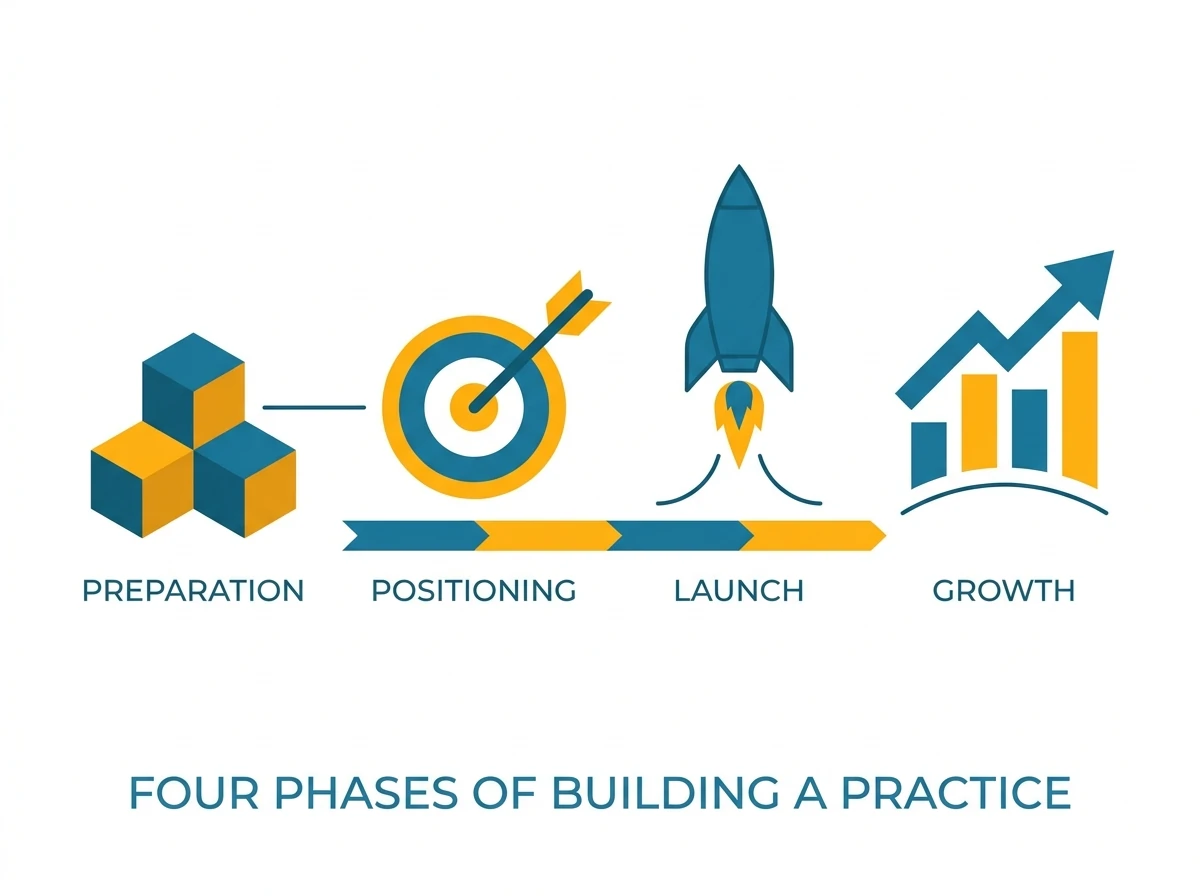
Comparison View
| Phase | Key Action | Outcome |
| Preparation | Build operational leadership experience | Strong executive foundation |
| Positioning | Define niche and value proposition | Clear market clarity |
| Launch | Set up a structure and engagement model | Professional fractional setup |
| Growth | Build relationships and visibility | Consistent opportunities |
Reader FAQ
Q: What is the difference between a consultant and a Fractional COO?
A consultant gives recommendations. A Fractional COO becomes part of the leadership team and helps drive execution, accountability, and operational outcomes.
Q: How much experience do you need to learn how to become a Fractional COO?
Most Fractional COOs have many years of experience in operations, leadership, or executive roles before moving into fractional work.
Q: Do Fractional COOs need to specialize?
Not required, but specialization makes it much easier to position yourself and attract the right clients.
Q: How do Fractional COOs charge?
Most work through monthly retainers, project-based fees, or hybrid models depending on the level of involvement.
Q: What makes a successful Fractional COO?
Strong communication, operational experience, structured systems, and the ability to consistently execute across different companies.
Join the Hey CMO Fractional Leaders Network
Connect with experienced Fractional Leaders, exchange insights, and build the relationships that help you grow, expand your influence, and thrive in every engagement.